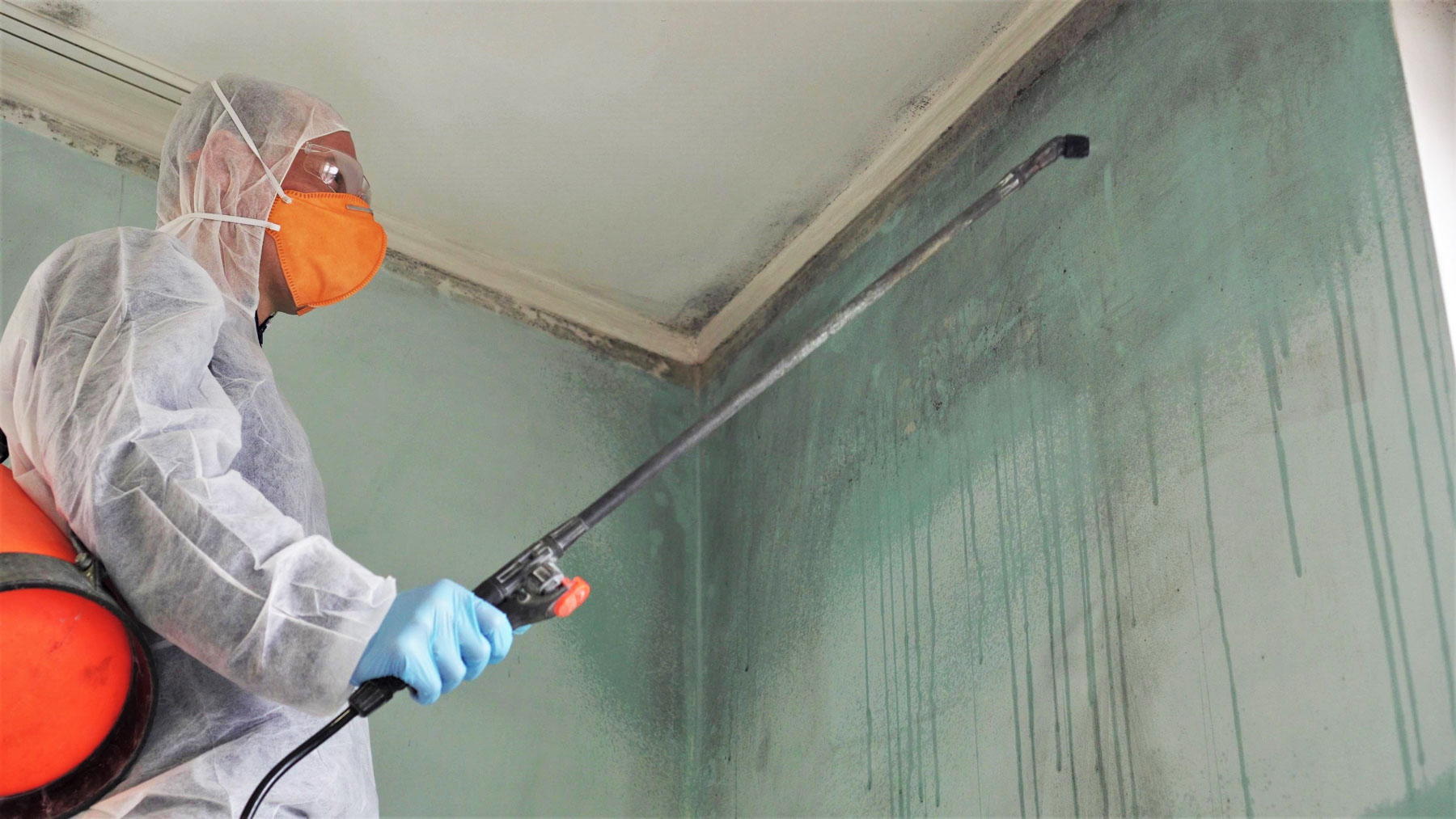
Bathroom mold removal in St. John's isn't just scrubbing grout. Surface mold you can see is often the visible tip of a larger problem behind tiles, inside walls, or under flooring. We inspect beyond the surface, remove affected materials, treat the structure, and tell you what's needed to keep your bathroom dry.
Why Bathrooms Get Mold
Bathrooms produce a lot of steam and moisture every day. If that moisture doesn't escape quickly through proper exhaust, it settles on cold surfaces, works behind tiles and under caulking, and eventually reaches the drywall and framing. In older St. John's homes with inadequate exhaust fans, this is a very common problem.
Common causes we see:
- Bathroom exhaust fans that are too small or vented into the attic instead of outside
- Failed or missing caulking around tubs, showers, and fixtures
- Grout that has cracked or become porous over time
- Leaking pipes or supply lines behind the wall
- Inadequate ventilation in ensuites or interior bathrooms without windows
What's Included
- Visual inspection of all surfaces including behind fixtures
- Moisture readings through walls and floors
- Removal of affected caulking, grout, tiles, and drywall where needed
- Treatment of structural surfaces behind the wall
- HEPA vacuuming and antimicrobial application
- Exhaust ventilation assessment and recommendations
- Written report of work completed
Signs of Bathroom Mold
- Black or greenish spots on grout lines or caulking that keep coming back after cleaning
- Soft, discolored drywall around the tub or shower surround
- Peeling paint on bathroom walls or ceiling
- A persistent musty smell that cleaning doesn't eliminate
- Bubbling or warping on the ceiling above the shower
Common Questions
Bleach kills surface mold on non-porous surfaces like tile. But if mold has gotten behind the tile or into porous materials like grout or drywall, bleach just treats what you can see. The mold below the surface is still there and will come back.
Not always. If moisture readings show the mold is only on the surface, we can treat without removing tiles. If moisture has gotten through the grout and tile into the substrate or wall cavity, some tile removal is needed to do the job properly.
The main thing is ventilation. Run your exhaust fan during every shower and for 20 minutes after. Make sure it's actually venting to the outside. Re-caulk around the tub and shower when the old caulk starts cracking. We'll give you specific recommendations for your bathroom after the inspection.
Typically not, unless it resulted from a sudden event like a burst pipe. Long-term moisture buildup from poor ventilation is usually considered a maintenance issue. We can help document the situation if you want to check with your insurer.