St. John's, NL & Surrounding AreasIICRC Certified • Licensed & Insured
Available 24/7(709) 900-0000

Attic Mold Removal in St. John's, NL

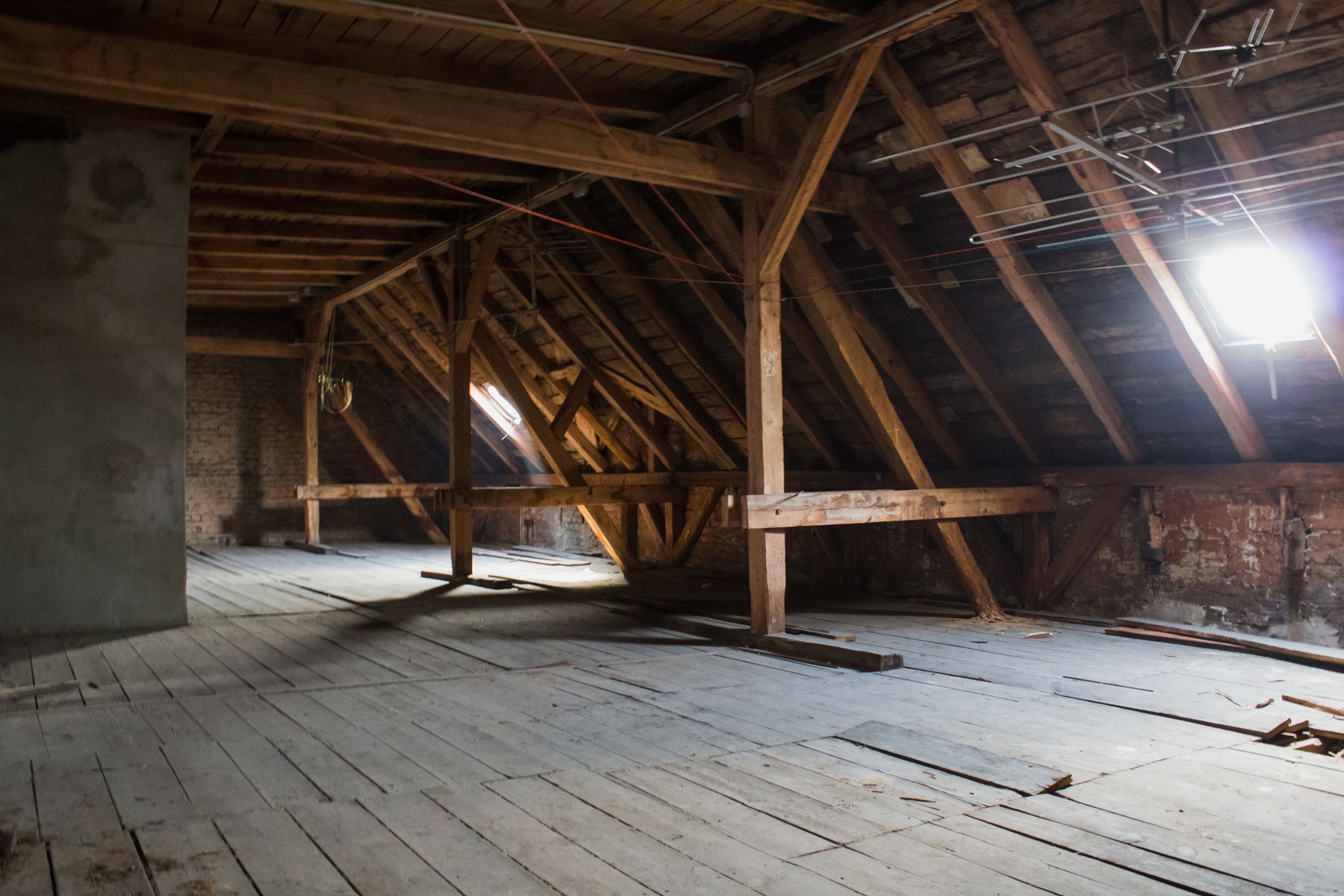
Attic mold is one of the most common, and most overlooked, mold problems in St. John's homes. We inspect the full attic cavity, remove mold from rafters and sheathing, fix the ventilation, and verify it's clean before we leave.

Attic mold removal in St. John's starts with finding out why moisture is getting in. We inspect the entire attic, test air quality if needed, remove contaminated materials, treat the wood structure, and improve ventilation before we consider the job done. A surface clean without fixing airflow is not a real solution.

Why Attics in St. John's Get Mold

Newfoundland's wet climate makes attics especially vulnerable. In winter, warm air from the living space rises through gaps in the ceiling and into the attic. When it hits the cold roof sheathing, it condenses. That repeated moisture cycle is all mold needs to get started on the wood.

Common causes we see in St. John's attics:

  • Blocked or missing soffit vents cutting off fresh air
  • Bathroom or kitchen exhaust fans venting into the attic instead of outside
  • Missing or inadequate vapour barrier on the attic floor
  • Ice dams on the roof forcing water back under the shingles
  • Roof leaks that went unnoticed or weren't fully dried after repair

What's Included in Our Attic Mold Removal

  • Full attic inspection including hard-to-reach areas near the eaves
  • Air sampling or surface testing where needed
  • Containment setup before removal begins
  • Removal of contaminated insulation where required
  • HEPA vacuuming and treatment of affected wood surfaces
  • Application of antimicrobial treatment to the wood structure
  • Ventilation assessment and recommendations to prevent recurrence
  • Written report documenting work completed and test results

Signs You May Have Attic Mold

Attic mold often goes undetected for a long time because most people don't regularly check their attic. Watch for these signs:

  • A musty smell in the upper floor of your home
  • Staining or discoloration on ceiling drywall
  • Dark spots or fuzzy growth visible on roof sheathing or rafters
  • A home inspector flagging attic mold during a house purchase
  • Frost or condensation visible on the underside of the roof in winter

Our Attic Mold Removal Process

Every attic job follows the same steps. No guessing, no quick fixes that don't last.

01

Inspect and Test

We inspect the full attic, identify the extent of mold growth, and determine the moisture source. Air sampling is done if the situation calls for it.

02

Contain the Area

We set up containment and run negative air pressure so spores don't spread into the living space during removal.

03

Remove and Treat

Contaminated insulation is removed. Wood surfaces are HEPA vacuumed, dry brushed, and treated with an antimicrobial solution.

04

Fix the Cause and Verify

We address ventilation issues and do post-remediation testing to confirm mold levels are back to normal. You get a written report.

Attic Mold Removal FAQ

Attic mold usually starts with poor ventilation. Warm, moist air from the living space rises into the attic, hits the cold roof sheathing, and condenses. That moisture lets mold grow on the wood. Blocked soffits, missing vapour barriers, and bath fans venting into the attic instead of outside all make this worse.
Attic mold spores can make their way into the living space through light fixtures, ceiling fans, and any gaps between the attic floor and the ceiling below. Poor HVAC setups can also pull attic air down. That's why it's worth dealing with early rather than waiting to see if it gets worse.
It depends on how badly the insulation is affected. Blown-in insulation that has been contaminated usually needs to come out. Batt insulation in the framing bays can sometimes stay if it hasn't been directly affected. We assess this case by case during the inspection before we do anything.
If the mold resulted from a sudden event like a roof failure or plumbing leak, there's a reasonable chance your insurer will cover it. Mold from long-term ventilation problems is often excluded. We provide the documentation your adjuster will need to make a determination either way.
We address the root cause as part of every attic job. That typically means improving soffit and ridge ventilation, making sure bathroom exhaust fans vent properly outside, and sometimes recommending a vapour barrier upgrade. Treating the wood alone without fixing the airflow is not a real solution, and we won't offer you one.

Attic Mold in Your St. John's Home?

The sooner you deal with it, the less damage there is to the wood structure. Call us today and we'll get it assessed.

Call Now: (709) 900-0000