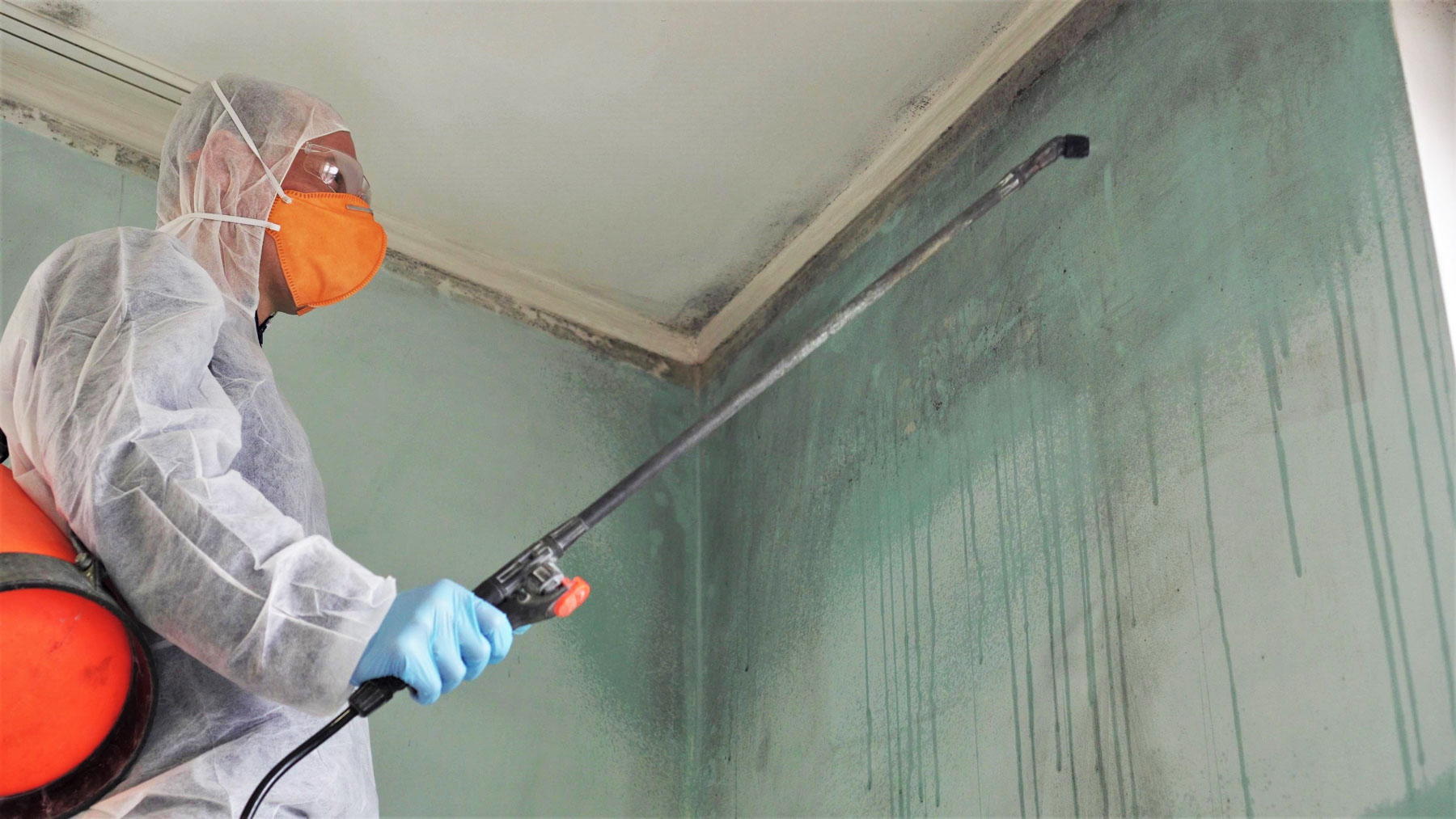
HVAC and air duct mold treatment in St. John's involves cleaning mold from the inside of ductwork, air handlers, coils, and other system components, then treating those surfaces to prevent regrowth. If mold is in your ducts, every room in your home is getting contaminated air every time the system runs.
How Mold Gets Into HVAC Systems
HVAC systems move air, and they also move moisture. Evaporator coils can develop condensation. Air handlers can accumulate dust and debris that becomes a food source for mold. In humid climates like Newfoundland's, ductwork in unconditioned spaces like crawl spaces and attics can sweat, providing moisture for mold growth on the interior surfaces.
Common causes we see:
- Condensation on evaporator coils that isn't draining properly
- Dusty, dirty ductwork providing organic material for mold to feed on
- Ductwork running through humid unconditioned spaces like crawl spaces
- Oversized AC units that cool quickly without dehumidifying
- Existing mold elsewhere in the home being pulled into the return air
What's Included
- Visual inspection of accessible ductwork and air handler
- Air sampling from supply and return registers
- Cleaning of ductwork using negative pressure equipment
- Cleaning and treatment of evaporator coils and drain pans
- Antimicrobial application to interior duct surfaces
- Replacement of contaminated insulation on duct exteriors
- Filter replacement and recommendations
- Written report of findings and work completed
Signs of HVAC Mold
- Musty smell when the heat or AC first kicks on
- Visible mold or dust buildup around supply registers
- Mold growth found near or around the air handler
- Occupants experiencing allergy-like symptoms throughout the house
- Mold confirmed in other parts of the home that connect to the duct system
Common Questions
Yes. Mold can grow on the interior surfaces of ducts if there's moisture and organic material present. Metal ducts are less hospitable than flexible ducts with fibrous interiors, but both can be affected.
Mold spores are airborne and can be pulled into the return air from anywhere in the home. Once inside, if there's enough moisture and dust, they can establish on duct surfaces. It can also originate from condensation on coils or in humid duct runs.
No. Standard duct cleaning removes dust and debris. Mold treatment also includes antimicrobial application to the duct interior surfaces and specific attention to coils, drain pans, and the air handler. Both often need to happen together.
Change your filter regularly, keep your coils clean, make sure the condensate drain pan isn't pooling water, and keep indoor humidity below 60%. We'll give you specific recommendations based on your system after the job.