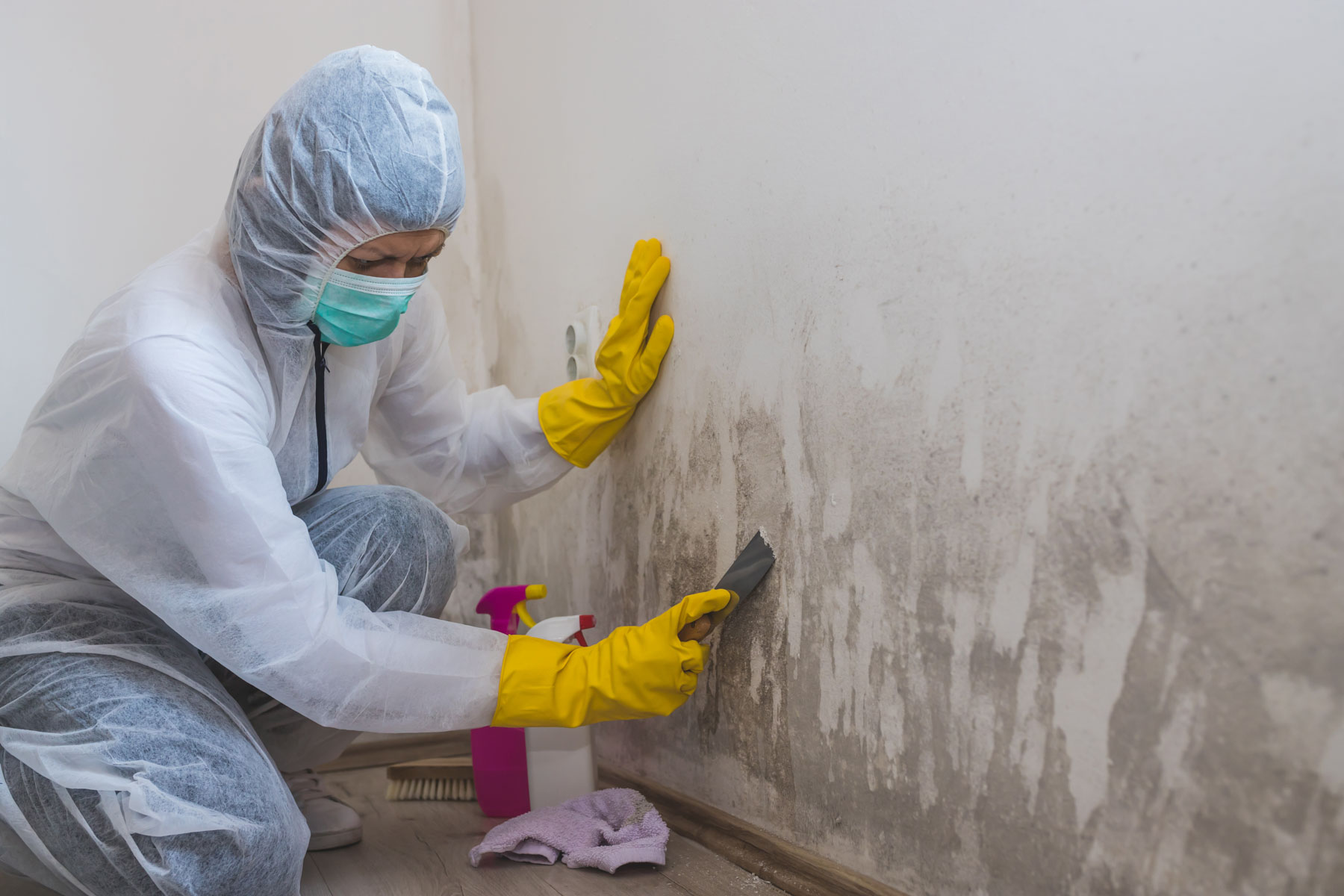
Mold removal after water damage in St. John's starts with making sure the moisture is fully gone, then assessing and removing any mold that has already established. The faster water damage is addressed after a flood or leak, the better. Mold can begin growing in as little as 24 hours in wet conditions.
How Water Damage Leads to Mold
Water damage and mold often go together. When water soaks into drywall, insulation, wood framing, or flooring and isn't completely dried within 24 to 48 hours, mold takes hold. By the time you smell it or see it, the mold is usually well established. In St. John's, spring flooding, heavy rain events, burst pipes in winter, and basement seepage are the most common sources.
Common causes we see:
- Flooding from heavy rain or spring thaw entering through the foundation
- Burst pipes during cold snaps common in Newfoundland winters
- Sewage backup or greywater flooding
- Roof failures letting water in after a storm
- Water damage that was cleaned up but not fully dried out
What's Included
- Moisture assessment to confirm water has been properly dried
- Full inspection for mold growth in all affected areas
- Containment and negative air pressure setup
- Removal of mold-contaminated materials
- Treatment of structural surfaces with antimicrobials
- Documentation for insurance adjusters
- Post-remediation air testing and written clearance report
Signs of Mold After Water Damage
- Musty smell appearing days after water damage was cleaned up
- Visible mold or discoloration on walls, ceilings, or floors
- Soft spots in drywall or flooring that got wet
- Condensation or dampness persisting in the affected area
- Health symptoms starting in the days after a water event
Common Questions
As soon as possible. The first 24 to 48 hours matter most. If water damage is dried quickly and completely, mold may not establish at all. The longer wet materials sit, the more certain mold becomes.
Small amounts of surface water on non-porous floors, maybe. But if water has soaked into walls, insulation, or under flooring, you need proper drying equipment to pull moisture out of the structure. Fans and a dehumidifier aren't usually enough for a flooding situation.
It depends on the cause. Sudden and accidental flooding from a burst pipe is typically covered. Long-term seepage or a gradual leak that wasn't reported is usually not. We provide the documentation your adjuster needs to make a determination.
Sewage backup introduces additional biohazards beyond just mold. Materials exposed to sewage generally need to be removed rather than cleaned. This type of situation requires careful handling and full protective equipment throughout.