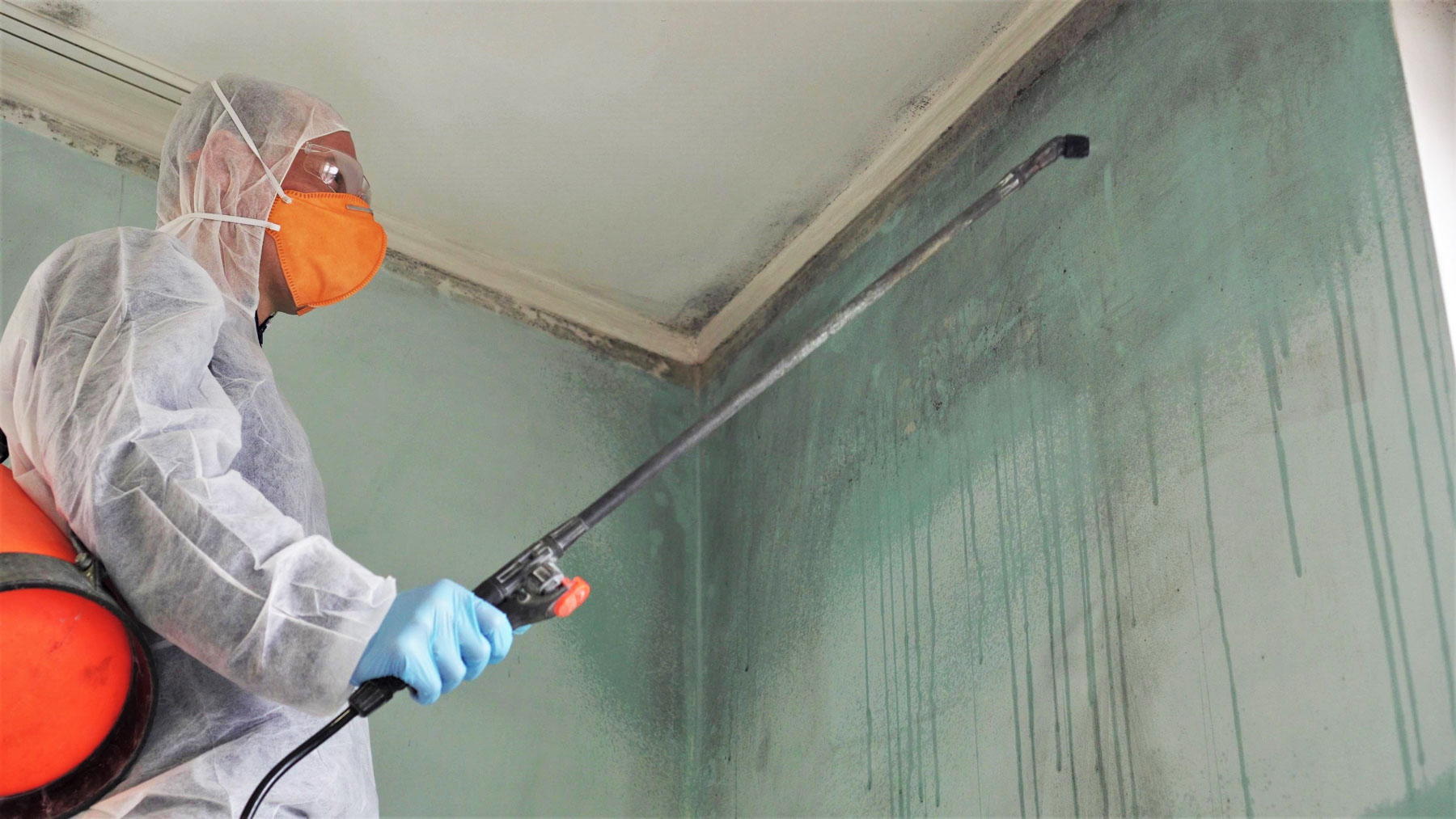
After a flood or a serious leak, mold is usually the last thing on your mind. You're dealing with the immediate mess. But mold spores are already present in every home, and all they need is moisture and a surface. At the right temperature, mold growth can begin in 24 to 48 hours. What you do in the first day or two matters a lot for how much mold damage you end up dealing with.
Step 1: Stop the water source
Before anything else, stop the water. Shut off the supply valve, fix the roof, clear the blocked drain, whatever the source is. Drying things out while water is still coming in is pointless. If it's a burst pipe and you can't find the shutoff, call a plumber. If there's active flooding, call your municipality.
Step 2: Remove standing water as fast as possible
Every hour water sits on your floors and against your walls, it's wicking into drywall, subfloor, insulation, and framing. Wet-dry vacuums, submersible pumps, mops and buckets, whatever you have available. Get the bulk of the water out as quickly as you can. If you have more water than you can handle yourself, water damage restoration companies have industrial extraction equipment.
Step 3: Move and protect your belongings
Get furniture, boxes, and anything porous off wet flooring. Furniture sitting in water will wick moisture up through legs and into cushions, and those items become mold sources themselves. If you can get things outside or into a dry area, do it. Wet rugs should come up immediately. Rugs that have been soaked for more than a day are almost always a total loss for mold cleanup purposes.
Step 4: Get air moving
Open windows if conditions allow. Run fans to circulate air. If you have a dehumidifier, get it running. The goal is to start reducing the humidity in the space. Do not seal the room up and wait. Stagnant moist air is exactly the condition mold thrives in. Airflow is your best friend in the first day or two after water damage.
Step 5: Document everything for insurance
Take photos and video of everything before you start cleaning up. Photograph the source, the extent of the water, affected belongings, and the structure. Most home insurance policies in NL cover sudden and accidental water damage. Your adjuster will want documentation. Mold damage that develops from a covered water event is often also covered, but only if you act promptly to mitigate it. If you delay and mold sets in, the insurer may dispute the claim on the grounds you didn't take reasonable steps to prevent it.
Step 6: Call a professional mold inspector if the area is large
If water has affected more than a small area, or if you weren't able to get things dry within 48 to 72 hours, get a professional mold assessment done. Mold damage behind walls, under flooring, and in insulation won't be visible right away but can become a serious indoor air quality problem over the following weeks and months. A proper mold inspection uses moisture meters and sometimes air sampling to tell you where the risk is and what needs professional mold remediation versus what you can handle yourself.
We do water damage mold assessments and mold cleanup throughout St. John's and the Northeast Avalon Peninsula. If you've had a flood or a major leak and aren't sure where you stand, give us a call and we'll help you figure it out.
Had water damage recently?
Don't wait to find out if mold has set in. We'll assess the situation and give you a straight answer.
(709) 398-0350 Flood Damage MoldMore from Mold Tips: How to Tell If You Have Mold in Your Home • Why Attic Mold Is So Common in St. John's